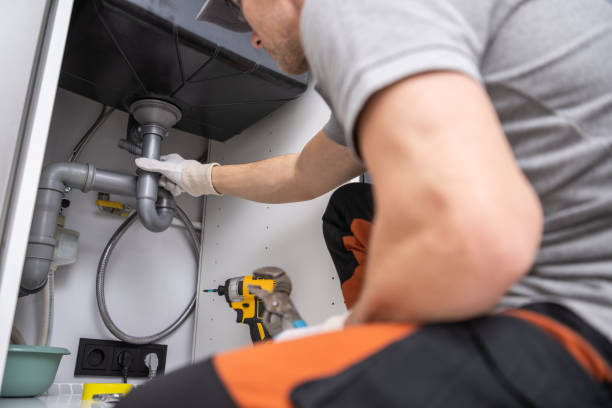
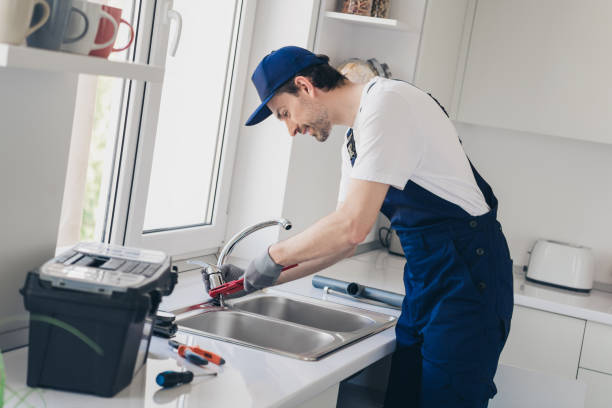
Water is stealthy. A small pinhole leak can release thousands of gallons of water over time, rotting framing, encouraging mold, and driving up utility bills. We are Cornwall, PA’s specialists in leak detection and repair. We use forensic-level technology to locate hidden leaks behind walls and under concrete slabs, resolving the issue with surgical precision.
A slab leak is a leak in the copper water lines buried beneath your home's foundation. Finding it without digging requires skill. We use acoustic listening discs and electronic "sniffers" to hear the frequency of escaping water through the concrete. We pinpoint the exact location, marked with an X, so repairs can be focused and minimally invasive.
Once a slab leak is found, we offer solutions tailored to your home:
If your water bill has spiked but you see no water, call us. We perform a systematic audit of your plumbing. We check toilets for silent leaks (flapper issues), inspect the main service line in the yard, and test the pressure regulator. We find the source of the waste and stop it.
The longer a leak goes undetected, the more damage it does. Let our technology find the source and stop the waste.
Call for expert detection: +18339570980
"My bedroom floor was warm. They found a hot water slab leak right under the carpet. They rerouted the pipe through the attic and saved my floor."
"My water bill tripled. They found a leak in the yard service line and replaced it. Very professional and efficient."
"Great technology. They showed me the leak on the thermal camera. Fixed it with minimal drywall cutting."
Cornwall was initially settled by Peter Grubb in 1734. Peter was a Chester County stonemason who came to, what was then Lancaster County, in search of high quality stone for quarrying. First building his house and then a store, he discovered magnetite iron ore nearby and decided to test its quality, he found the ore to be exceedingly pure. Grubb wrote to Philadelphia and in 1734 was granted a warrant to purchase 300 acres (1.2 km2) of land. For three years Peter followed veins of ore until he found a large deposit that was easily accessible; however, this ore was not within the bounds of his property. So in 1737 he purchased an additional 142.5 acres (0.577 km2) of land. In 1742 Peter built a cold blast furnace and named it Cornwall, after his father's birthplace in England. The Cornwall Iron Mine was, at one time, the largest open-pit mining operation in the world. They were mined continuously until June 30, 1973, totaling 236 years of production.
Zip Codes in Cornwall, PA that we also serve: 17042 17016 17085